Key Tips for Generator Repair: Keep Your Power Operating Smoothly
Making sure a generator runs efficiently necessitates a solid understanding of its design and operation. Routine upkeep is critical to prevent frequent problems that can interfere with the power output. From changing the oil to cleaning the air filter, these activities can extend the generator's lifespan. Nevertheless, detecting when a fault develops is just as critical. What steps should be taken when faced with starting failures or unusual noises? The following insights will provide clarity on efficient generator maintenance and diagnostic methods.
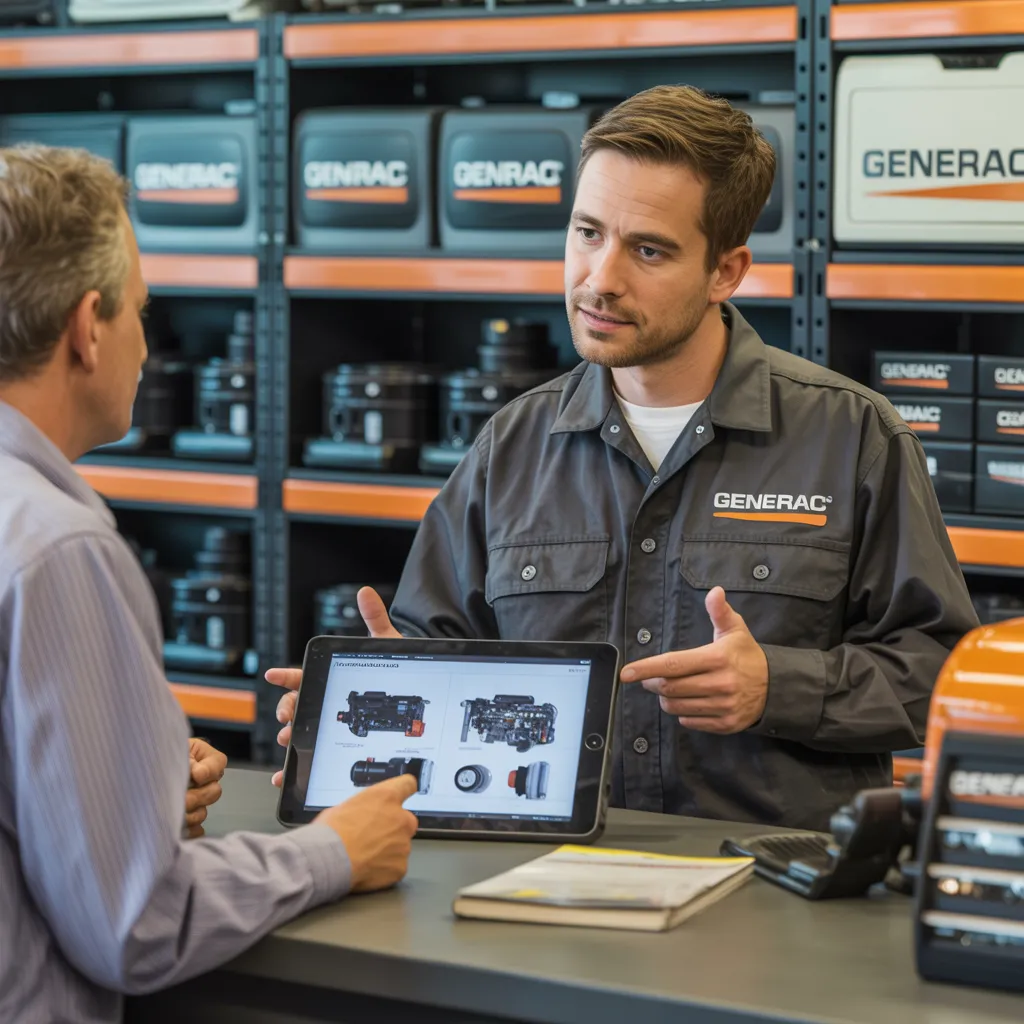
Exploring Your Generator: Types and Functions
Generators act as critical sources of power in a wide range of situations, spanning residential use to industrial applications. They can be broadly categorized into portable and standby types. Portable generators tend to be smaller units built for temporary use, making them well-suited for camping, tailgating, or emergency backup when power outages occur. These generators offer convenience and flexibility, allowing users to easily transport them as needed.
Standby generators, in contrast, are permanently mounted and automatically turn on during power outages. They are typically integrated into the home's electrical system, offering a smooth transition to backup power. Across these categories, generators are capable of operating on various fuel types, such as gasoline, diesel, propane, or natural gas, with each option carrying its own set of benefits and drawbacks.
Understanding the diverse types and functions of generators is important for selecting the correct tools for particular requirements, securing consistency and performance in power generation.
Understanding Common Generator Concerns
Identifying generator problems early may reduce the risk of greater issues and maintain dependable functionality. Typical generator issues frequently present as strange sounds, difficulty starting, or uneven power delivery. A generator that struggles to start may indicate a dead battery, fuel issues, or a faulty ignition system. Strange noises, including grinding or rattling, may indicate mechanical deterioration or unsecured parts, requiring prompt examination.
Voltage irregularities often signal issues related to the electrical regulator or other electrical components, affecting overall efficiency. Furthermore, generators might release emissions or strong scents, suggesting combustion issues or thermal problems, which necessitate prompt intervention. Regularly checking fuel levels, oil quality, and air filters can help detect these issues before they escalate. By identifying these common symptoms, equipment operators can implement preventive measures to ensure their devices continue to perform reliably, ultimately prolonging its durability and dependability.
Key Maintenance Tips for Your Generator's Longevity
Maintaining a generator is critical for ensuring its extended lifespan and ideal operation. Consistent oil maintenance and properly maintained air filters are instrumental in preventing buildup and wear. These basic procedures can greatly increase the longevity of the power generator, making them essential components of thorough upkeep.
Regular Oil Changes
One of the most essential aspects of generator maintenance is the need for regular oil changes. This practice ensures that the engine performs smoothly and reliably by minimizing friction and avoiding wear. Over time, oil can be compromised by debris, metallic particles, and combustion residue, resulting in reduced performance and possible damage. It is widely advised to change the oil after every 100 hours of operation or at least once a year, whichever occurs sooner. Applying the right type and grade of oil, as specified by the manufacturer, is critical for peak performance. Neglecting this maintenance task can lead to overheating, increased fuel consumption, and ultimately, generator failure. Routine oil changes play a key role in prolonging the generator's lifespan.
Pure Air Filters
Ensuring clean air filters is essential for the ideal performance and longevity of a generator. Air filters act as a barrier against dust and debris reaching the engine, which can lead to poor combustion and serious damage. Routine inspection and cleaning of air filters are essential, especially in environments with high dust levels. It is recommended to check filters every few months and replace them if they show signs of wear or excessive dirt buildup. A clean air filter improves airflow, boosting fuel efficiency and minimizing engine stress. This straightforward upkeep task can significantly prolong the generator's lifespan, ensuring it operates smoothly when needed. By making air filter maintenance a priority, owners can protect their investment in a dependable and high-performing generator.
Step-by-Step Problem-Solving Techniques
Addressing generator problems demands a structured approach to detect and fix issues efficiently. Begin by checking the primary power components. If the generator fails to start, verify the fuel tank is sufficiently stocked and the fuel is fresh. Following that, inspect the oil level; insufficient oil may cause automatic shutdowns. Moving forward, examine the battery connections for deterioration or poor connections. If the generator runs but produces no power, it is essential to check the circuit breaker and fuses.
Moreover, check the spark plug for wear or damage, as a faulty spark plug can hinder ignition. If the unit emits unexpected noises, this may point to underlying problems that require further examination. As a final step, reviewing the product manual for specific troubleshooting guidance can deliver targeted remedies. By applying these steps, users can systematically identify and address frequent generator issues, ensuring dependable operation when required.
Follow Safety Precautions for Generator Repairs
When repairing a generator, following safety precautions is essential to avoid accidents and injuries. First, confirm that the generator is switched off and separated from any electrical source. This helps prevent the risk of electric shock. Utilizing personal protective equipment, including gloves and safety glasses, can help protect against potential dangers. It is advisable to work in a well-ventilated area to prevent breathing in harmful fumes from fuel or exhaust.
In addition, storing a fire extinguisher close by is crucial, as generators can represent flammable dangers. Technicians should also be cautious when handling fuel, making sure that any spills are addressed immediately to avoid slip and fire risks. Lastly, having a first aid kit accessible can be beneficial in case of minor mishaps. By implementing these safety protocols, individuals can create a safer environment while carrying out generator repairs, safeguarding both the individual and the generator.
When Should You Call a Pro for Generator Repairs?
Generator repairs can often be managed by knowledgeable individuals, but particular scenarios call for the knowledge of a qualified expert. Should a generator refuse to start after initial troubleshooting attempts, it might suggest more complex issues that necessitate professional expertise. Additionally, ongoing strange sounds or vibrations may indicate mechanical issues that could deteriorate without professional attention.
Electrical malfunctions, such as tripped circuit breakers or burnt wires, present significant safety hazards and must be handled by a certified professional. If the generator is leaking fuel or oil, immediate professional assistance is essential to eliminate the threat of fire dangers. Furthermore, if the generator is still under warranty, performing self-repairs could invalidate the warranty, making expert assistance the smarter decision. Identifying these situations ensures the generator operates safely and efficiently, extending its lifespan and dependability.
Getting Your Generator Ready for Seasonal Changes
With changing seasons, getting a generator ready for varying weather conditions is critical to ensure optimal performance. Routine maintenance ought to be planned ahead of seasonal transitions, emphasizing tasks relevant to the coming climate. In preparation for winter, confirming proper fuel stabilization and battery health is critical, because frigid temperatures can influence performance. Additionally, inspecting the oil levels and replacing filters helps mitigate issues during heavy usage.
Conversely, summer readiness involves examining cooling systems, as elevated temperatures can lead to overheating. Cleaning air filters and inspecting ventilation pathways are fundamental for ideal airflow.
On a regular basis throughout the year, it is essential to test the generator regularly under load to ensure it is functioning correctly. Doing so not only identifies potential problems but also assures reliability when needed. Furthermore, protecting the generator from harsh weather conditions, such as rain or snow, by installing suitable protective covers or enclosures can significantly prolong its service life and sustain peak operating efficiency.
Questions We Often Receive
How Frequently Should I Operate My Generator for Maintenance?
Generators ought to be operated a minimum of once monthly for upkeep purposes. Regular operation helps keeping fuel in good condition, lubricates internal components, and uncovers potential concerns, guaranteeing dependable performance when required, thus extending the generator's service life.
Is It Safe to Use My Generator Indoors?
Generators must never be operated indoors due to the risk of carbon monoxide poisoning. Proper ventilation is essential, so they need to be used outside in well-ventilated spaces to ensure safety and avoid the buildup of dangerous gases.
What Type of Fuel Should I Use for My Generator?
The best fuel for a generator typically includes diesel or unleaded gasoline, depending on the model. Choosing the right fuel provides optimal performance, efficiency, and a longer lifespan, as well as taking into account storage and environmental factors.
What Are the Best Practices for Storing My Generator Safely?
To store a generator safely, make sure it's dry and clean, eliminate fuel to prevent deterioration, protect it with a covering tarp, and keep it in a well-ventilated, dry area away from flammable materials.
Are Warranties Provided for Generator Repairs?
Many generator models feature warranty coverage that cover repairs for particular durations. Nevertheless, the extent of protection depends on the make and model, so it is essential to examine the terms of the warranty for information JD Belcher about what repairs are covered.